
Why Cold-Chain Trained Drivers Matter for Perishable Cargo
August 14, 2026 · 2 min read
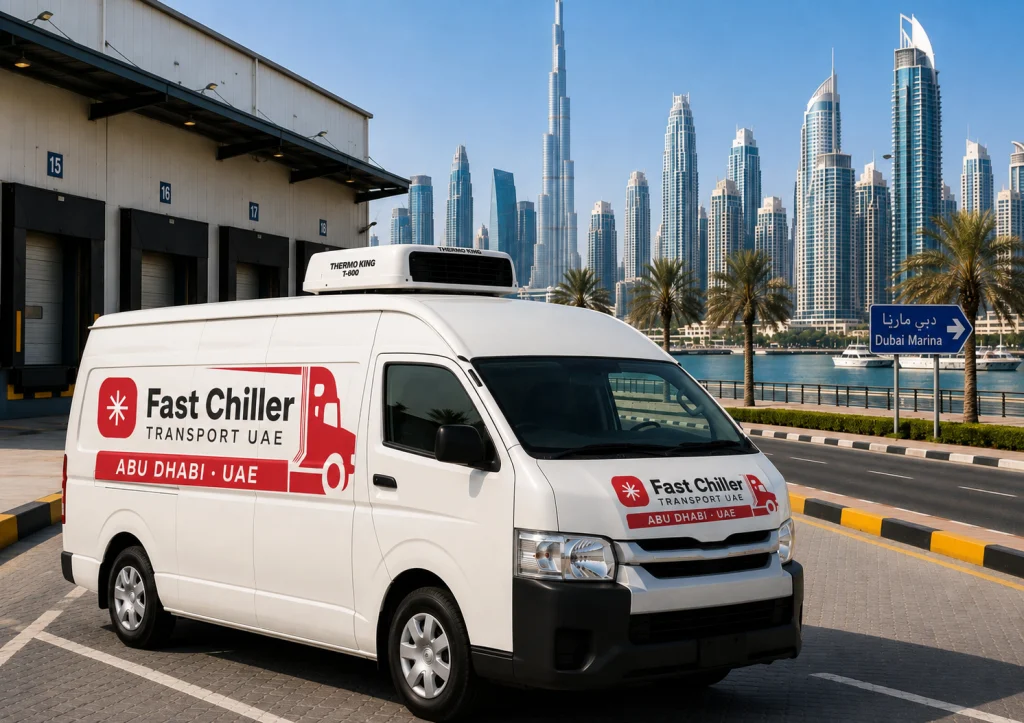
It is easy to assume that a properly refrigerated vehicle is enough to protect perishable cargo. In practice, the driver behind the wheel has just as much influence on whether that cargo arrives in the condition it left — and general delivery experience is not the same as cold-chain training.
Loading and unloading discipline
A cold-chain-trained driver understands why minimising door-open time matters, how to stage cargo before opening the compartment, and how to sequence multi-stop deliveries to reduce total exposure — habits a general delivery driver has no specific reason to have developed.
Route planning with temperature in mind
Not every efficient route is the best route for perishable cargo. A cold-chain-trained driver factors in things like avoiding unnecessary idle time in direct sun, and sequencing drop-offs so the most temperature-sensitive cargo is not left in the vehicle longest.
Recognising early warning signs
A trained driver notices early indicators of a developing problem — an unusual sound from the cooling unit, a door seal not closing fully, a temperature reading drifting — and can flag or address it before it becomes a spoiled shipment, rather than after.
Handling documentation correctly
Proof of delivery, temperature confirmation, and any required compliance documentation depend on the driver actually following the process consistently, every trip — not just when someone happens to be checking.
What this means for you
When you book a refrigerated vehicle with a driver, you are not only renting equipment — you are relying on that person’s handling discipline for the entire trip. This is exactly why cold-chain training, not just a valid driving licence, should be part of what you ask about before booking.
Every driver in our fleet is cold-chain trained, not just licensed to drive a refrigerated vehicle.