Peak-Season Refrigerated Transport: Planning Ahead for Ramadan and Summer Demand Spikes in the UAE
August 20, 2026 · 2 min read
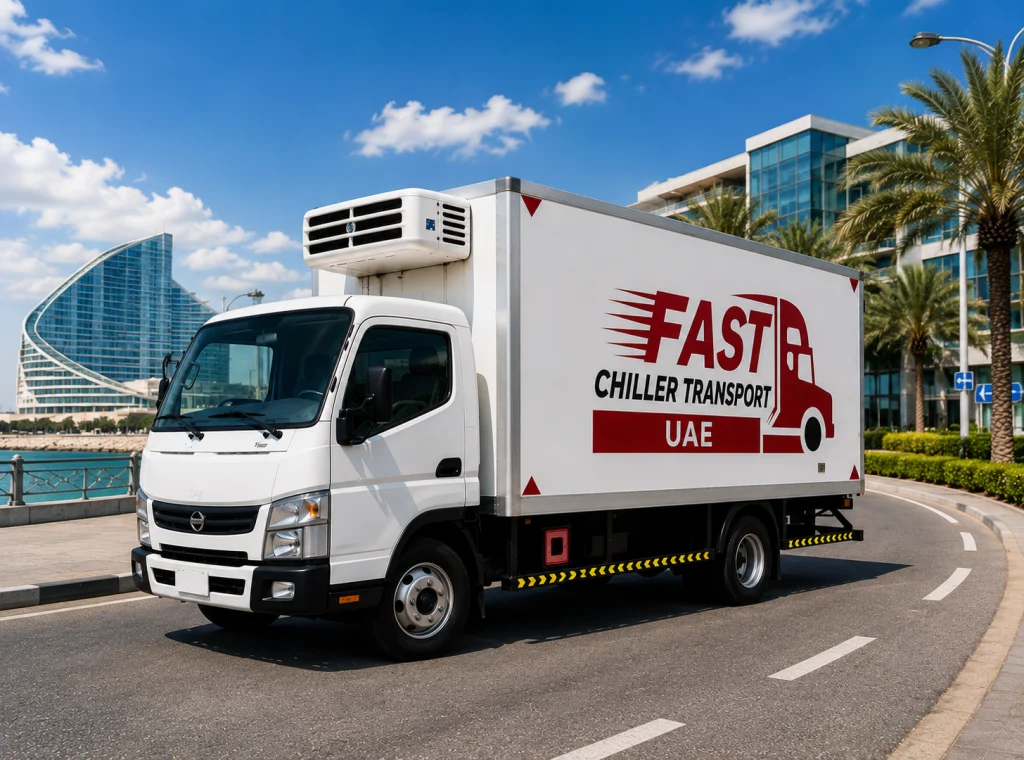
Refrigerated transport demand in the UAE is not evenly spread across the year. Ramadan brings a sharp rise in catering and food distribution volume in a short window, and the summer months combine higher consumer demand for cold beverages and frozen goods with the toughest ambient heat conditions of the year for keeping cargo cold. Businesses that plan around these predictable spikes avoid the last-minute scramble for available vehicles.
Book ahead of the surge, not during it
Refrigerated fleets across the UAE tighten up fast once Ramadan or peak summer demand hits, and last-minute requests are the first to face availability gaps or premium pricing. Locking in a rental agreement or a recurring delivery schedule several weeks ahead secures both the vehicle and the rate.
Build in a buffer for longer loading times
Peak season often means larger batch orders and more delivery points per route, which means more door openings and longer loading windows. Routes that ran smoothly on a normal schedule may need extra time built in during Iftar-driven delivery windows or summer heat, both of which slow down handling and increase the risk of temperature drift if rushed.
Confirm equipment is rated for the conditions
Summer ambient temperatures in the UAE push refrigeration units harder than at any other time of year. Before peak season starts, confirm that any vehicle you are booking has cooling equipment rated for sustained high ambient heat, not just standard operating conditions, especially for multi-stop routes where doors open repeatedly through the hottest part of the day.
If your order volumes rise predictably around Ramadan or summer, tell us your expected schedule in advance and we can reserve capacity ahead of the rush instead of competing for it.